

This post details best practices for installing vinyl flooring in commercial spaces, emphasising preparation and protective features. Here are some of the topics we cover:
- Preparing the structure for the best installation result.
- Expansion joints absorb slab movement and protect the floor.
- Metal-framed covers handle heavy commercial traffic.
- Nosings and trims protect vulnerable flooring edges.
Installing vinyl flooring in a commercial building works best when the surrounding structure is prepared with care. The vinyl surface may look straightforward once it’s in place, yet the surrounding details, including the joint covers and trims that frame and support the installation, will play a major role in determining how well the floor handles daily use.
Commercial slabs move slightly through temperature changes or ongoing settlement, and those shifts can place steady pressure on the flooring, reducing its lifespan if the joints and trims are not planned properly.
How Do Expansion Joints Protect Vinyl Flooring in Commercial Settings?
Concrete movement is a constant factor in large buildings. Even small shifts in the underlying slab can strain a flexible surface like vinyl, causing raised edges or tension lines over time.
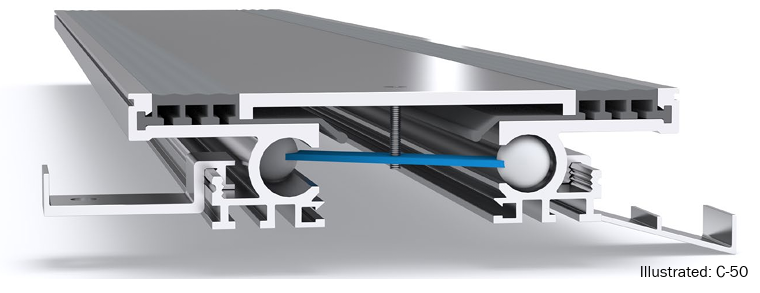
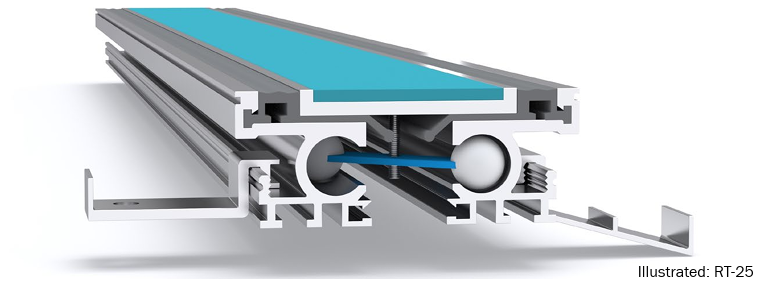
An expansion joint cover will absorb that movement before it reaches the finished layer. A mechanical cover that anchors securely to the slab will create a controlled pathway for movement while keeping the vinyl flooring flat and supported.
What Type of Joint Cover Works With Commercial Vinyl Installations?
Any space that has to deal with rolling equipment or steady foot traffic needs a cover that stays firm under repeated loads.
Metal-framed systems can handle this kind of pressure without warping, creating a stable platform for the vinyl to meet. Corridors often need covers with a slim height profile so the flooring transitions cleanly across the joint, while areas that are exposed to moisture call for corrosion-resistant material that will endure damp conditions.
Sun Synergy supplies covers suited to these environments and shaped for use under resilient floor finishes.
What Prep Supports Smooth Vinyl Installation Over Joint Systems?
Accurate subfloor preparation can prevent long-term problems.
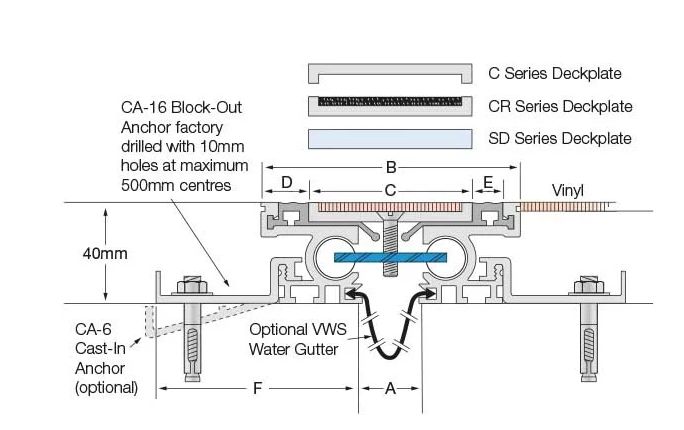
A flat, clean and dry surface will help the vinyl bond more evenly, while the joint cover must be aligned so the flooring settles against it without gaps.
Here is a short list to keep your process organised:
- Anchor the joint cover securely so it cannot shift during installation.
- Match the height of the cover to the final flooring thickness for a level finish.
- Check that the surrounding substrate is firm and free from loose material.
What Role Do Stair Nosings and Trims Play?
The edges of your vinyl flooring will take strain long before the rest of the floor starts to show any wear.
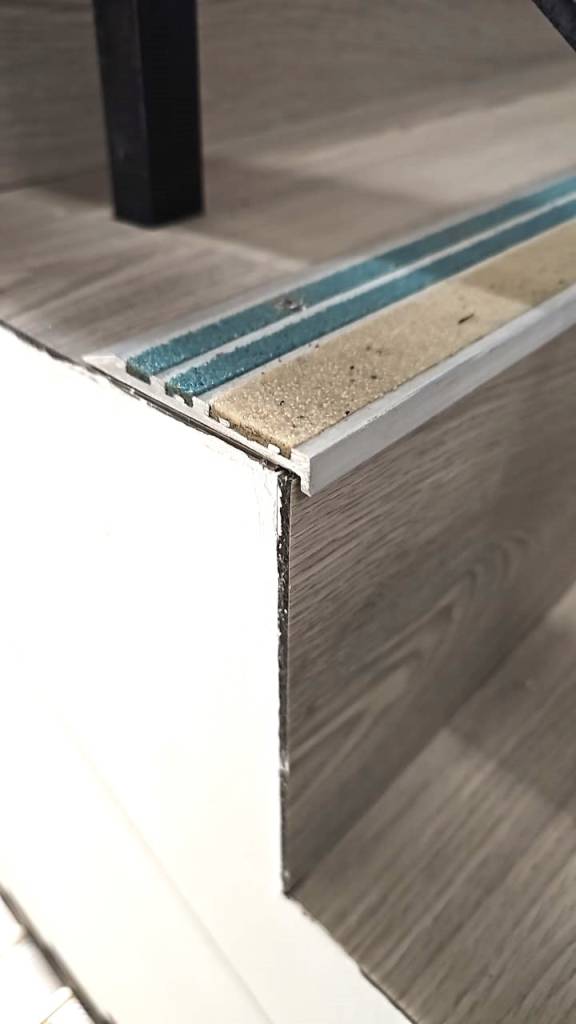
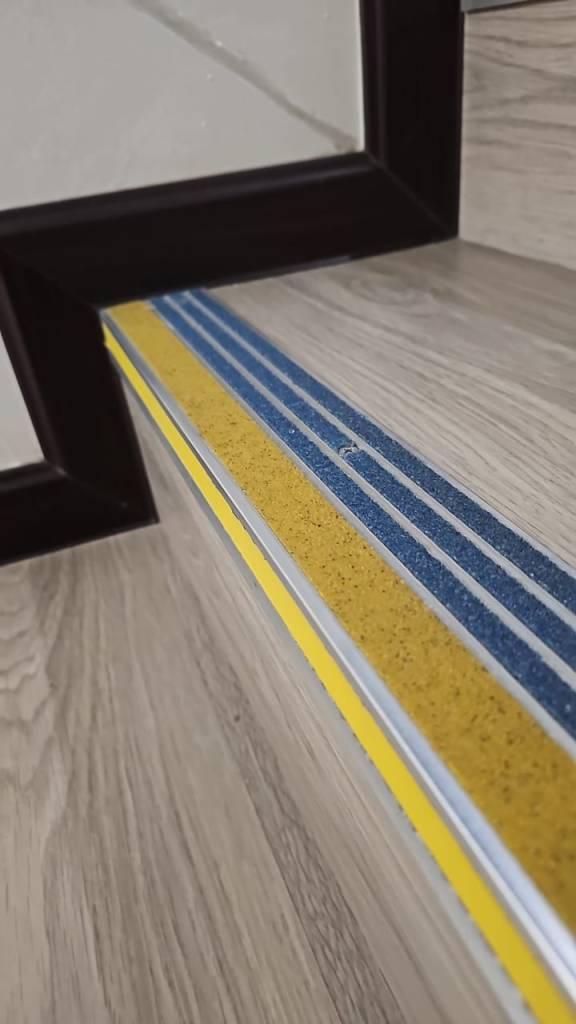
Stair nosings with slip-resistant inserts will protect the front step line and hold the flooring in place, thereby reducing edge lift. Entry trims can create clean boundaries between zones so trolleys and foot traffic can move across them without catching the vinyl.
These features strengthen those areas that are likely to fail first and will help ensure the installation can retain a neat appearance.
If you want help selecting the right joint covers, trims or nosings to suit your vinyl flooring project, contact Sun Synergy today for guidance and a quote tailored to your building’s layout.
FAQS
What factors shorten the lifespan of commercial vinyl flooring?
Shifts in the underlying concrete slab due to movement (temperature changes or settlement) and inadequate planning of joints and trims place pressure on the flooring.
What material characteristics are needed for joint covers in wet commercial areas?
For areas exposed to moisture, the joint cover material must be corrosion-resistant to endure damp conditions.
Why are stair nosings and trims essential for vinyl flooring durability?
They protect the edges of the vinyl flooring, which take strain first. Nosings reduce edge lift on stairs, and trims create clean, durable boundaries between zones.
