
Showing 7–12 of 23 resultsSorted by latest
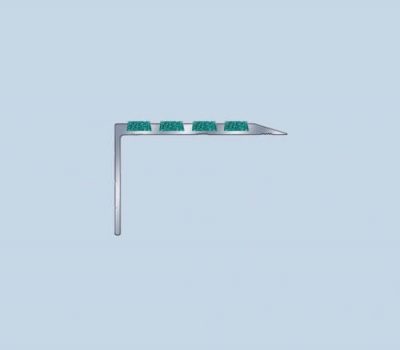
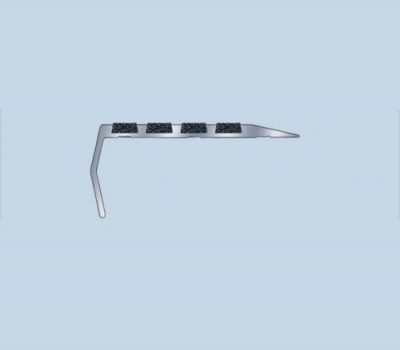
A stair nosing is a small detail that carries a disproportionate share of a building’s liability. In facility management and building safety practice, stairs are consistently treated as one of the highest slip-and-fall risk locations in a commercial building, and the nosing edge specifically, where the tread’s slip resistance actually matters most, is where a worn, mismatched, or under-specified detail turns a normal descent into an accident. It is also one of the details most often value-engineered down to a generic aluminium strip, because on a drawing it looks interchangeable with a compliant one.
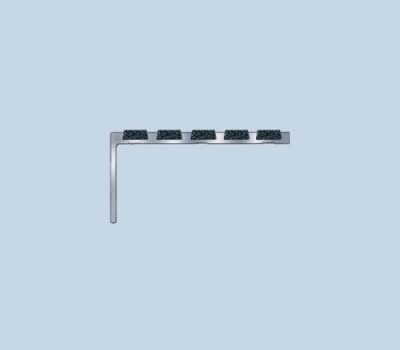
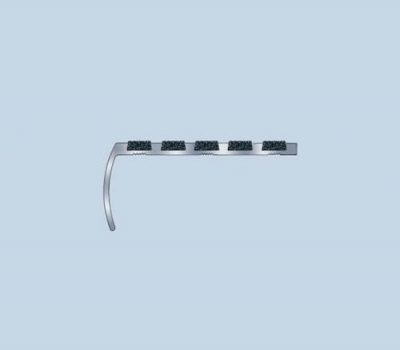
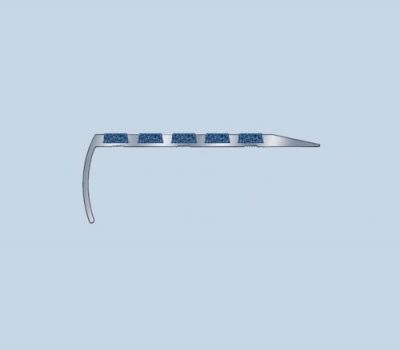
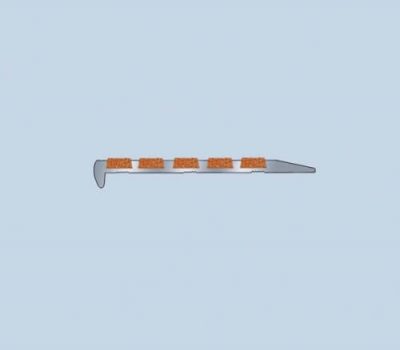
Our Asbra range spans light-duty to heavy-duty commercial nosings, the Asbraloy 501 SLD through 513 SHD and ACS series, specified by traffic class rather than by appearance, so the nosing you choose is rated for the actual foot traffic and slip-resistance requirement of the stair it sits on, not just its finish.
Applications by property type
- Shopping malls and retail podiums: heavy-duty nosings on public stairs carrying continuous, high-volume foot traffic, where slip resistance and long wear life both matter and where mall operators carry direct liability for falls. AEON Mall KL Midtown, opening late 2026, has specified Asbra nosings on the main entrance staircase leading up to their mezzanine, which is about the highest-visibility, highest-traffic stair a mall has.
- Hotels: nosings specified for a finish that reads as intentional design in guest-facing stairwells, while still meeting the slip-resistance rating the location needs.
- Schools, hospitals and institutional buildings: high-traction nosings on stairs carrying constant foot traffic from students, patients, visitors and staff, where fall risk carries an additional duty-of-care dimension. Our nosings are installed at The International School of Penang (Uplands).
- MRT, LRT and transit structures: heavy-duty nosings on station stairs under continuous public traffic, frequently wet underfoot from weather, where slip performance is the single most important spec criterion.
- Airports and office towers: nosings across long stair runs specified for consistent slip performance and visual contrast at each tread edge, supporting both safety and low-vision wayfinding.
Two Malaysian requirements meet on a stair nosing
UBBL provisions on means of escape, covering stair geometry, tread and riser consistency, and the fire-safety role of a properly maintained escape stair, and MS 1184 accessibility provisions, which require visual contrast at the leading edge of each tread to assist users with low vision. A nosing that is slip-rated but has no contrast strip meets half the requirement. We specify and can confirm in writing which of our nosings meet both the slip-resistance and contrast requirements for your stair type.
If a nosing on your drawing is flagged for value-engineering, ask us for the fall-liability and long-run wear-life comparison against the generic alternative before it is substituted. This is consistently the detail we are asked to defend at cost-review stage, and it is the one hardest to justify cutting once the comparison is on paper.
Independently tested for slip resistance
Our Asbraloy and ACS nosings are built on Latham’s Asbra range, which has been independently tested for slip resistance by a NATA-accredited laboratory, Australia’s national testing accreditation body, to AS 4586-2013 and AS 4663-2013. The results are measured, not just claimed: wet slip resistance classifications up to P5 and dry classifications of D1 across the tested tread-insert ranges, figures published by Latham rather than asserted by us.
Several of the specific profiles we stock, including the 501SLD, 513SHD and ACS series, appear in Latham’s own compliance table against the Australian accessibility standards AS 1428.1, AS 1428.2 and AS 1428.3. Two honest caveats. These are Australian standards, not Malaysian ones, so they sit alongside our UBBL and MS 1184 mapping rather than replacing it, and compliance in Latham’s table is per product code and sometimes depends on the colour selected for tread-edge contrast, not automatic across the whole range. Tell us your stair and traffic class and we will confirm exactly which profile and colour combination meets what you need.
Wear life is the other half of the specification
A nosing that meets slip and contrast requirements on day one but loses its abrasive profile within a year of heavy traffic has not actually solved the problem, it has deferred it to a maintenance budget and a compliance gap that reappears quietly. The Asbraloy series is graded by traffic class specifically so a mall or transit stair, which sees continuous daily volume, is not specified with the same nosing as a low-traffic office stair. Tell us the expected daily footfall and we will confirm the series rated to hold its performance over the wear life your maintenance cycle assumes.
Working from your bill of quantities
Where stair nosings are specified generically, along the lines of “anti-slip nosing to architect’s detail”, rather than by series and traffic class, contractors have room to substitute at build stage without the compliance and wear-life implications being visible on paper. If your current drawing is generic, send it to us and we will confirm the correct Asbraloy series, contrast requirement, and fixing method before it goes to tender.
Browse the Asbra range above for full specifications on each series, and use the Request a Quote button on the specific product page you need.
Frequently Asked Questions
What makes a stair nosing safety-rated versus a standard aluminium strip?
A safety-rated nosing like Asbra is specified and tested for slip resistance under the actual traffic and wear conditions of the stair, and typically incorporates a visual contrast strip. A generic strip may match visually but carry neither property, which is the substitution risk we flag most often.
Do stair nosings need to meet accessibility code, not just slip-resistance standards?
Yes. MS 1184 accessibility provisions require visual contrast at the leading edge of each tread to assist users with low vision, in addition to any slip-resistance requirement. We confirm both are met before installation.
How do I choose between the Asbraloy SLD, SHD, and ACS series?
By traffic class and location. Lighter-duty series suit lower-traffic or interior settings, while heavy-duty series are specified for continuous public traffic such as malls and transit stations. Tell us the location and expected traffic and we will confirm the right series.
Can a stair nosing really affect our liability exposure?
Stairs are widely treated as one of the highest slip-and-fall risk locations in a commercial building, and the nosing edge specifically is where that risk concentrates. A correctly specified, slip-rated, contrast-compliant nosing is a direct, low-cost reduction in that exposure.
We are being asked to substitute a cheaper nosing at value engineering. What should we do?
Ask us for a written comparison of slip-resistance rating, contrast compliance, and expected wear life against the proposed substitute. This is the most common item we are asked to defend at cost-review stage.
Has the slip resistance of these nosings actually been tested, or is that a marketing claim?
It has been tested, not just claimed. Latham's Asbra tread inserts are independently tested by a NATA-accredited laboratory in Australia to AS 4586-2013 and AS 4663-2013, with measured wet and dry slip classifications published for each range. These are Australian standards rather than Malaysian ones, so we still map every specification to UBBL and MS 1184 separately, but the underlying testing regime is genuine and independently verified.